 The Global Deals









What makes a useful global deals portal?
Start with product fit, not urgency
Sale language can make a shopper focus on the size of a discount before deciding whether the product is actually suitable. The better sequence is to define the need, shortlist acceptable products, compare important differences and only then decide whether the current offer improves value.
This approach works across very different categories. A health shopper may care about formulation and evidence. A home shopper may care about materials and maintenance. A language learner may care about speaking practice and subscription flexibility. The deal should be evaluated after those category-specific questions are answered.
Compare total value rather than the headline price
The lowest advertised price can hide recurring charges, shipping, consumables, replacement parts or subscription terms. For durable products, warranty and maintenance can change ownership cost. For apps and courses, renewal pricing and cancellation can matter more than the introductory rate.
A strong deal comparison therefore looks at the complete purchase rather than only the number displayed in the promotional banner.
Popular shopper searches are decision signals
People commonly search for “best,” “review,” “versus,” “alternatives,” “price,” “where to buy,” “is it worth it,” and “how to choose.” These search patterns reveal where a shopper is in the decision process. Someone searching “how to choose” needs category guidance. Someone searching “A vs B” already has a shortlist. Someone searching “where to buy” may be ready to purchase but still needs current seller information.
The Global Deals is designed to organize product discovery around those practical shopping questions while keeping broad categories easy to browse.
Health-related deals need stronger caution
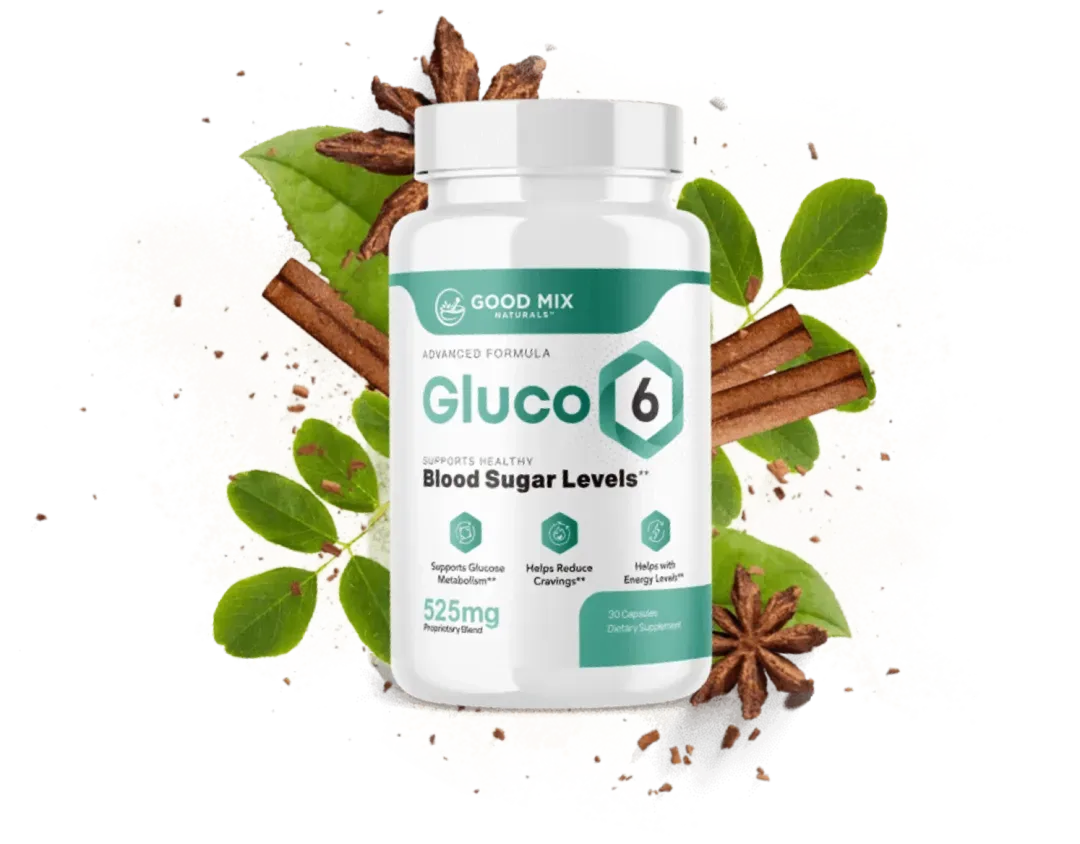
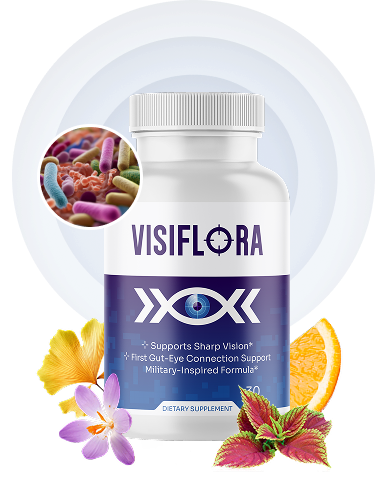
Dental, health, weight-loss and some fitness or beauty products can make claims that affect real health decisions. A discount does not validate those claims. Manufacturer descriptions are useful for current product identity and label information, but they are not automatically independent proof that a product will deliver the marketed outcome.
General shopping content should not diagnose, prescribe or replace individualized professional advice where personal health history, medications or symptoms matter.
Prices and offers can change quickly
Current price, stock, shipping, refund terms and promotional conditions can change by merchant, market and date. Product-level deal pages added later should verify those fields close to publication and should not create false urgency or invented savings.
The durable part of the marketplace is the buying framework: what the product is, which alternatives exist, which criteria matter and how the shopper should interpret a current offer.
How the portal will expand
The first shopping categories are Dental, Health, Women’s Health, Alternative Beliefs, Spirituality, Home & Garden, Language, Fitness, Weight Loss, Astrology and Beauty. The site can add product profiles, brand pages and current deal pages gradually as the catalog grows.
Named-product product pages will follow their own dedicated production rules later. The homepage and future category pages establish the broader shopping marketplace first.